Krones Canning Line Decommissioning & Removal Project
Project Summary
A major multinational beverage producer located in the Midlands region of the UK identified an opportunity to recover value from production equipment that had become surplus to operational requirements. These assets were acquired and marketed for resale by Indassol (Industrial Asset Solutions).
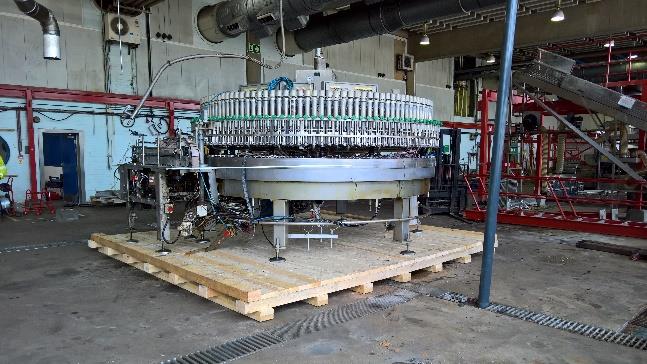
The equipment included a 72,000 cans-per-hour Krones canning line with associated Kettner palletising conveyor systems, which had been purchased by a new owner for reuse at another facility. To enable relocation, the entire line required careful dismantling and removal from the site.
The works needed to be completed within a restricted programme and inside a fully operational food and beverage production facility, requiring detailed coordination with ongoing manufacturing operations.
Indassol, operating as an Approved Contractor, was appointed as Lead Contractor for the dismantling works, working under the supervision of the site’s incumbent Principal Contractor.


Project Scope
Indassol was responsible for developing and implementing the necessary Health & Safety documentation and Risk Assessment Method Statements (RAMS) and for carrying out the complete dismantling and removal of the 72,000 cans-per-hour canning and palletising system.
The scope included:
- Engineering dismantling of the production line
- Preparation of equipment for transport
- Containerisation and packaging of components
- Loading and dispatch from site
In addition, the facility required a soft strip, leaving only the building structure, offices and essential building services intact once the equipment had been removed.
Key production equipment within the line included:
- Krones high-speed filler (72,000 cans/hour)
- Kettner depalletising and palletising systems
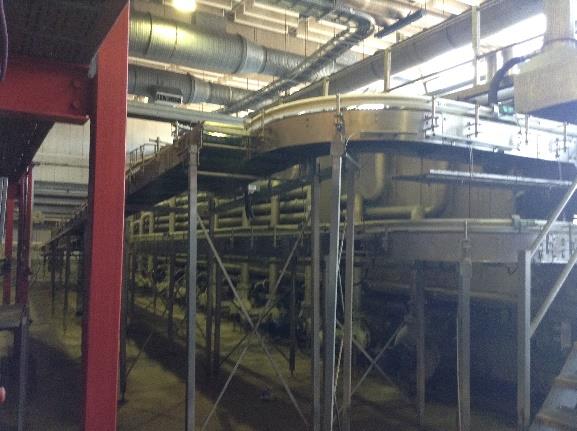
- Sander-Hansen pasteuriser
- Ferrum can seamer
- Associated process vessels
- Electrical control cabinets
- Conveyor systems
- Quality control and inspection equipment
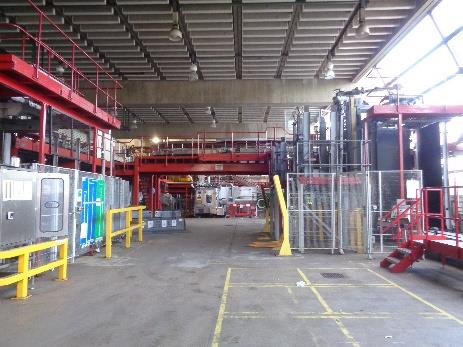
The installation extended across ground floor areas and multiple mezzanine levels, which increased the complexity of dismantling operations.
As the work took place within an active beverage production environment, careful collaboration with site personnel was required. Certain tasks were restricted to planned shutdown periods or sanitation cycles to avoid interference with production activities.
Key Requirements & Deliverables
The project was required to meet several operational, safety and environmental objectives:
- Completion of all works safely and professionally, with zero Lost Time Injuries (LTI)
- Ensuring dismantling activities did not disrupt ongoing production operations
- Preventing any dust emissions, chemical releases or drainage contamination that could affect the wider facility
- Implementing a clear identification and tagging system to support straightforward reinstallation of the equipment at its new destination
- Carrying out dismantling activities in accordance with accepted engineering practices, ensuring components were divided into transportable sections suitable for road transport
- Returning the work area to a safe, clean and operationally ready condition after equipment removal
Methodology
From the initial planning phase, the project was organised to satisfy the expectations of the asset owner, site management and equipment purchaser, while also delivering the site area back to the client within a defined timeframe.
The dismantling programme was carefully scheduled to ensure the rapid clearance of the area for future use, while accommodating the operational constraints of a live production facility.
A structured delivery approach included:
- Establishing robust Health & Safety management procedures at the outset and maintaining them throughout the project
- Recording, marking and tagging all equipment before any dismantling activities began
- Using systematic engineering dismantling techniques to protect equipment integrity and facilitate reinstallation
- Planning work sequences to reduce operational disruption across the wider site
- Preparing all equipment for shipment, including container loading and packaging of larger components in seaworthy transport crates
Project Duration
The complete project was delivered over a nine-week period, covering:
- Project preparation and documentation
- Health & Safety planning
- Equipment identification and tagging
- Mechanical and electrical dismantling
- Removal and packaging of equipment
- Loading and transportation from site
The programme also incorporated the final cleaning and reinstatement of the work area, ensuring the building space met the site owner’s future operational requirements.
Project Outcomes
The dismantling and removal of the 72,000 cans-per-hour canning and conveyor system was completed successfully within the agreed programme and without incident.
Key outcomes included:
- Zero Lost Time Injuries throughout nine weeks of complex site activity
- Completion of the works within the tight programme required by the site owner, avoiding contractual penalties
- Effective coordination of cranes, transport containers and heavy equipment movements in close proximity to primary site logistics routes
- Careful execution of dismantling works within a live food and beverage manufacturing environment, maintaining strict controls to protect ongoing production operations
- Delivery of the site area in a clean, safe and reusable condition, meeting the full satisfaction of the client