Dismantling and Export of a 5MW Biomass CHP Power Plant for Reinstallation in Eastern Europe
Project Summary
Indassol delivered the full dismantling, removal and export of a 5MW Biomass CHP power plant over a seven-month period, completing all works without a single Lost Time Incident.
The facility was successfully decommissioned, segmented for transport and shipped approximately 1,700 miles to Eastern Europe. Each component was tracked throughout the process, enabling efficient reconstruction and a return to operational power generation at the receiving site.
All activities were carried out within a live food and beverage production environment, with no disruption to ongoing operations or surrounding public areas. On completion, the site was cleared and reinstated to provide a safe, clean and fully reusable space.
The Challenge
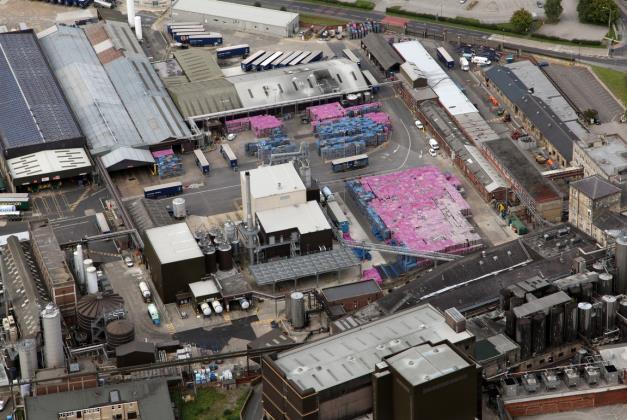
The project involved the removal of a complete biomass power generation facility from within an active manufacturing site in Yorkshire. The plant, which had become surplus to requirements, had been sold for reuse overseas and required careful handling to preserve its value and functionality.
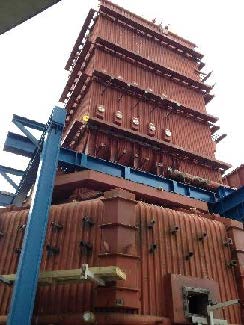
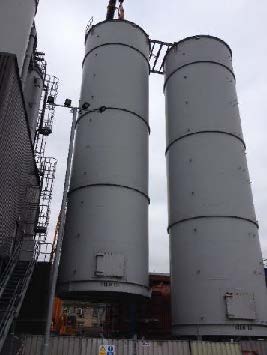
Key assets included a Wartsila BP5 BioGrate Boiler, Triveni Steam Turbine, AVK DIG 150 11kV Generator and a Portasilo fuel handling system, along with all associated infrastructure.
The operating environment introduced several constraints. All works needed to be undertaken without impacting food production, while also maintaining strict controls around hygiene, environmental protection and site safety. In parallel, the dismantling strategy had to ensure that equipment could be efficiently transported and reassembled at the destination facility.
Delivery Strategy
Indassol was appointed as Principal and Lead Contractor, taking responsibility for planning, coordination and execution across all stages of the project.
A phased approach was adopted, beginning with detailed engineering planning and documentation. This ensured that each stage of dismantling aligned with both transport requirements and the future reinstallation programme.
A structured asset tracking system was introduced prior to any dismantling activity. All mechanical and electrical components were recorded and categorised to support accurate identification, controlled removal and efficient reconstruction overseas.
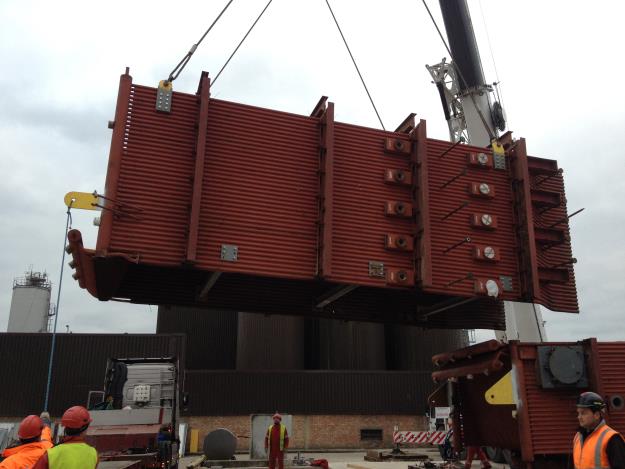
Dismantling activities were carried out in a sequenced and controlled manner, allowing major plant elements, including the BioGrate Boiler, to be divided into transportable sections. This approach supported both safe handling and practical road transport logistics.
Close coordination with site stakeholders was maintained throughout. Works were scheduled and managed to operate alongside ongoing production, ensuring continuity for the facility while maintaining a safe working environment.
Key Considerations
Several critical priorities shaped the delivery of the project:
- Maintaining an incident-free environment through consistent health and safety leadership
- Protecting live site operations by aligning all works with production activity
- Managing the movement of oversized loads without risk to the public or surrounding infrastructure
- Controlling environmental factors, including dust, emissions and drainage
- Ensuring full traceability of all assets to support reinstallation
- Delivering a dismantling approach that balanced engineering integrity with transport efficiency
Outcome
The project was completed in full over seven months, covering planning, site setup, dismantling, packaging and export.
All equipment was successfully transported to Eastern Europe, where it was identified, reassembled and returned to operational service.
The works were delivered without disruption to the live facility or surrounding areas, despite operating in close proximity to active production zones.
Following removal, the site was reinstated to a clean and safe condition, meeting the requirements of the site owner for future use.